30 Amp Dedicated Circuit for a Kiln in a Home Workshop
Kilns aren't something you just plug into a standard outlet and call it good. They pull serious power - way more than a typical circuit is designed to handle. Running one without a properly sized dedicated circuit is a real safety risk, and it's the kind of thing that can trip breakers constantly or, worse, cause a fire over time.
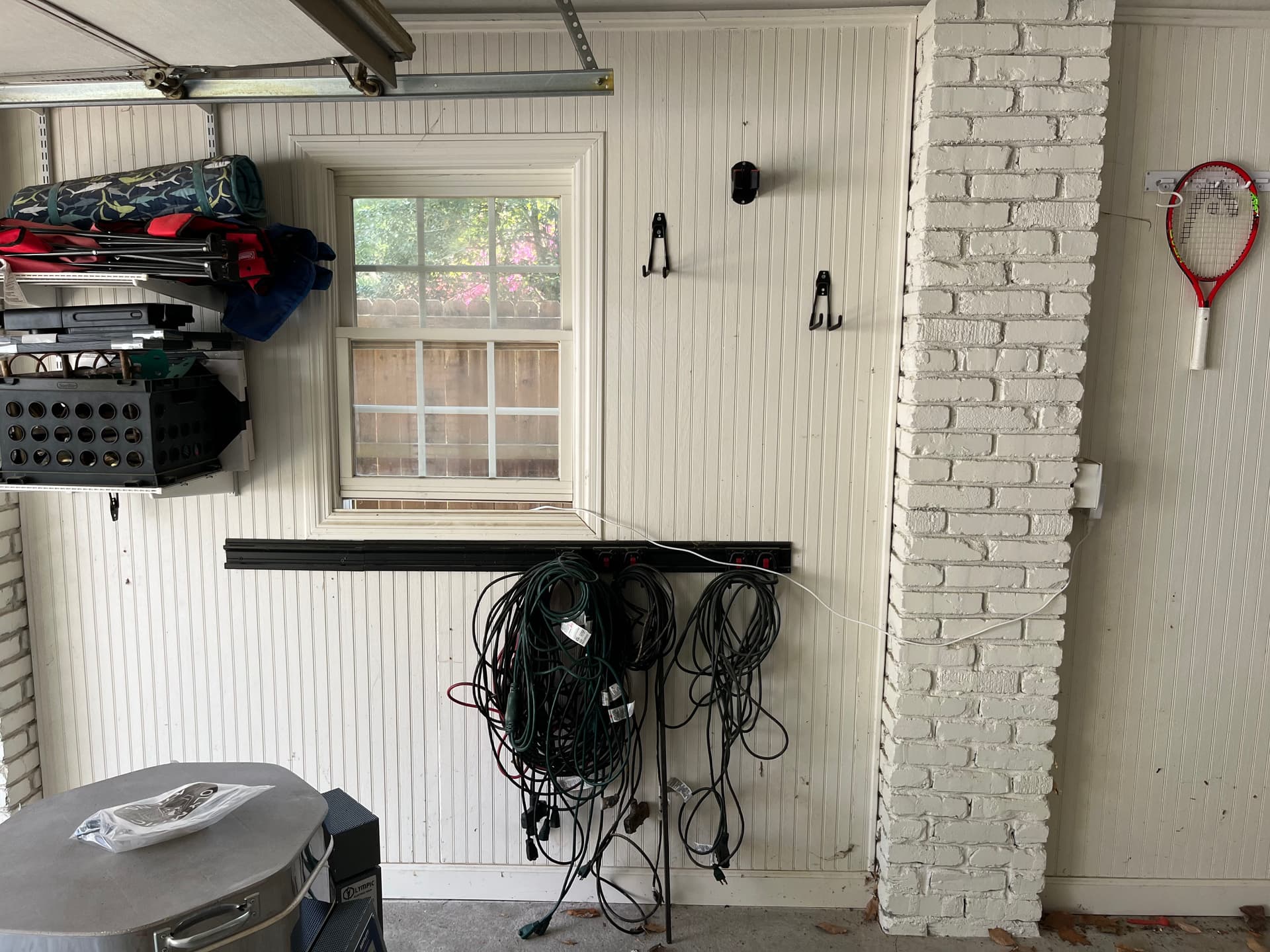
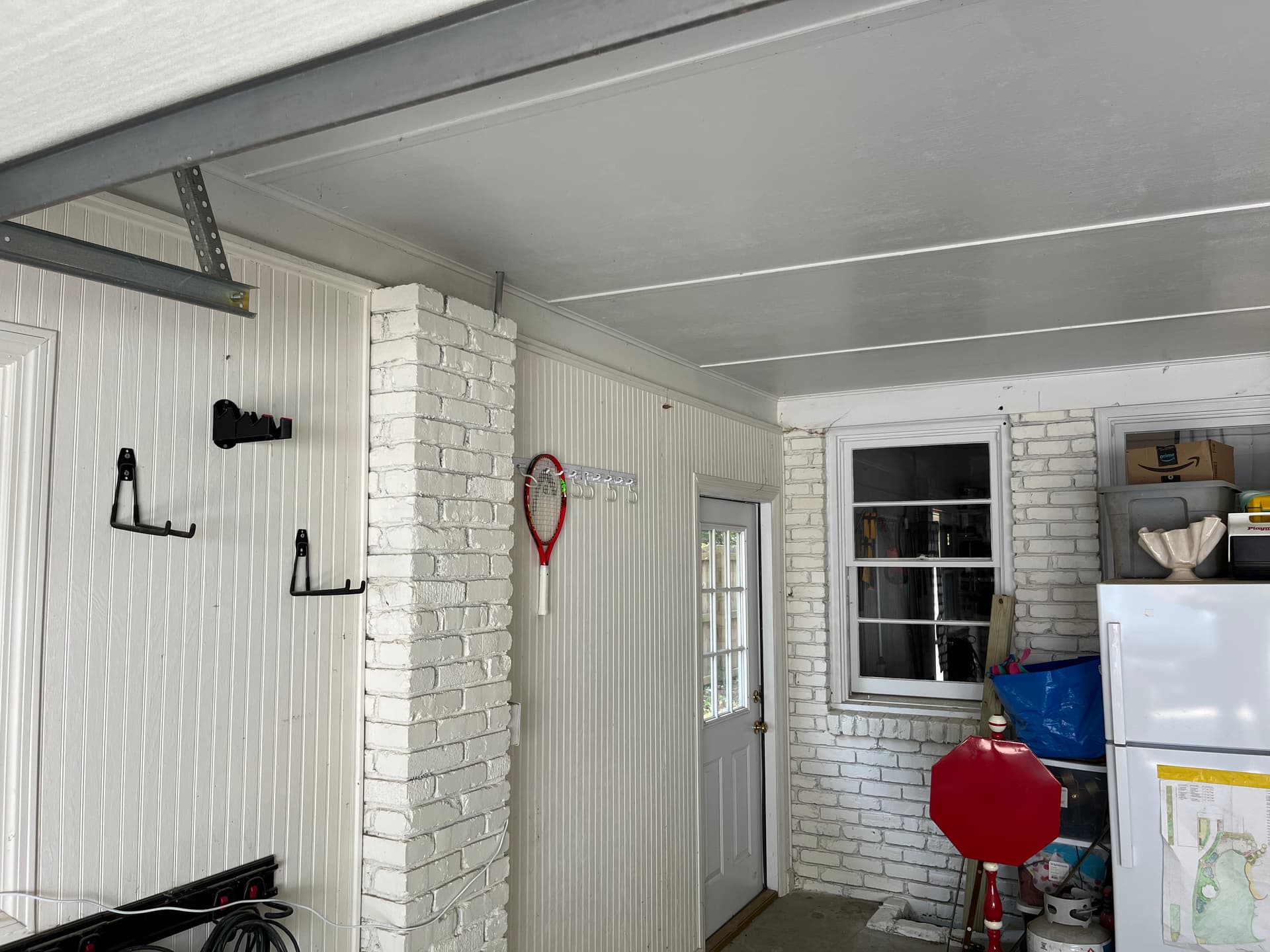
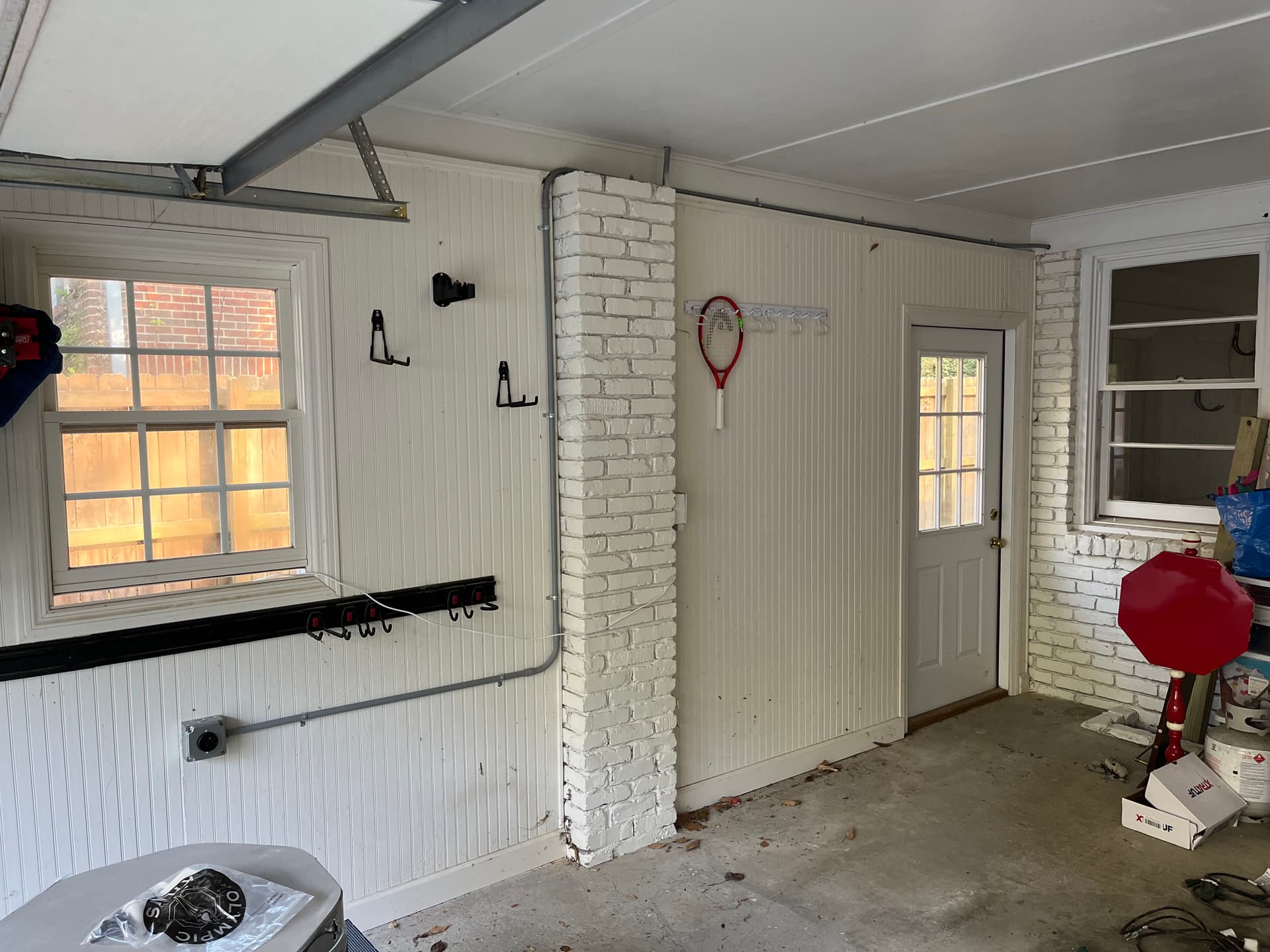
Here's what we were working with - a garage workshop space that needed reliable, correctly wired power for a new kiln. The existing setup wasn't going to cut it, so we ran a fresh 30 amp dedicated circuit specifically for the equipment. That means the kiln has its own circuit, its own breaker, and nothing else competing for power on that line.
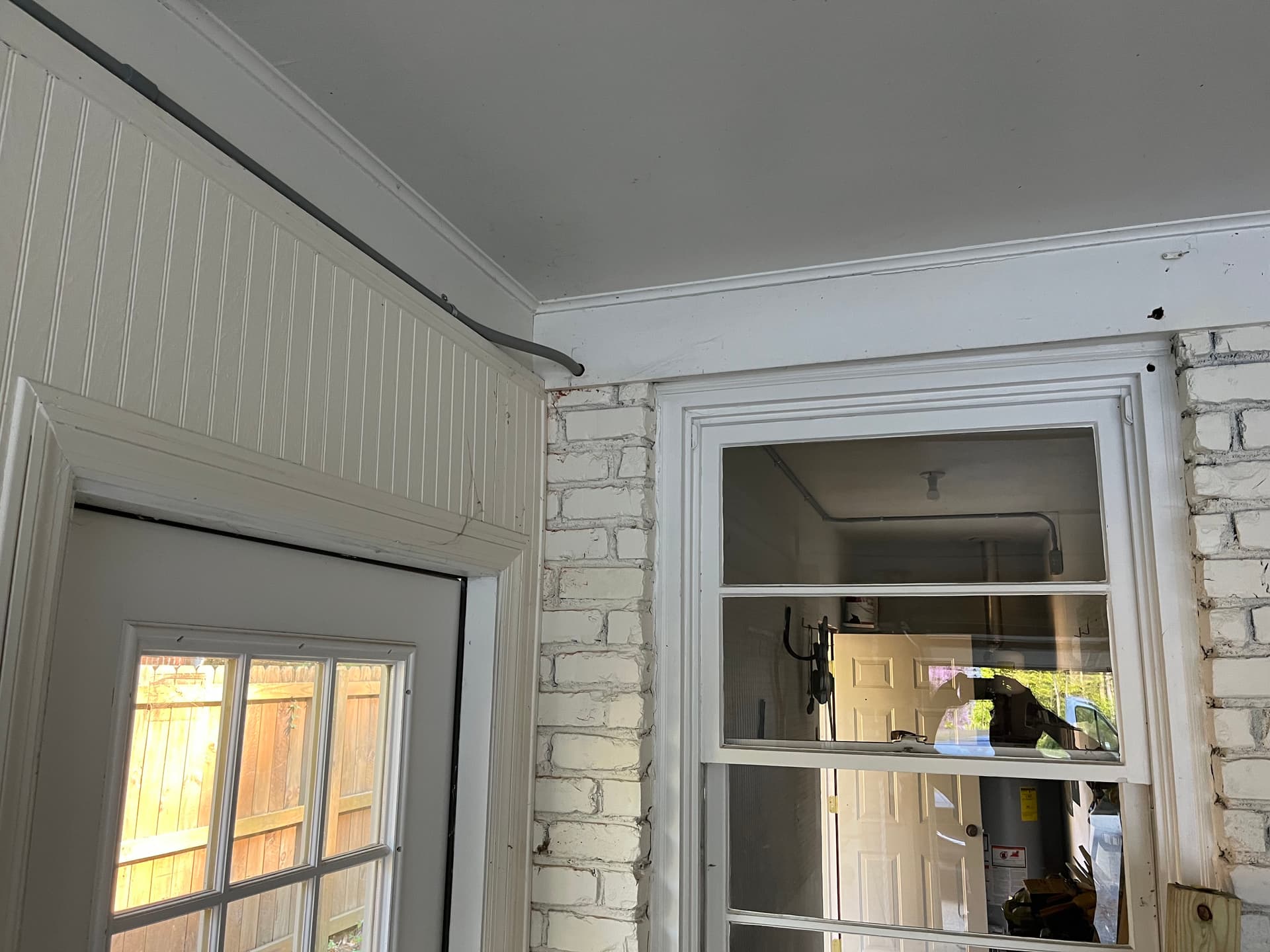
The conduit runs you can see along the wall and up near the ceiling aren't just functional - they're the right way to do this kind of job in a finished garage space. Exposed conduit keeps things clean, accessible, and up to code. No cutting into walls unnecessarily, no shortcuts.
That's really the point of a dedicated circuit. Specialized equipment - kilns, welders, EV chargers, large air compressors - all have specific power requirements. When you wire it right from the start, the equipment runs better, lasts longer, and you're not dealing with nuisance trips or overheating down the road. It also protects the rest of your home's electrical system from the load spikes that heavy equipment creates.
If you've got a piece of equipment sitting in your garage or workshop that's been running on extension cords or sharing a circuit with other things, it's worth getting that sorted out properly. A dedicated circuit is a straightforward fix that makes a real difference.