Kitchen Outlet Swap Uncovered Hidden Junction Boxes in the Wall
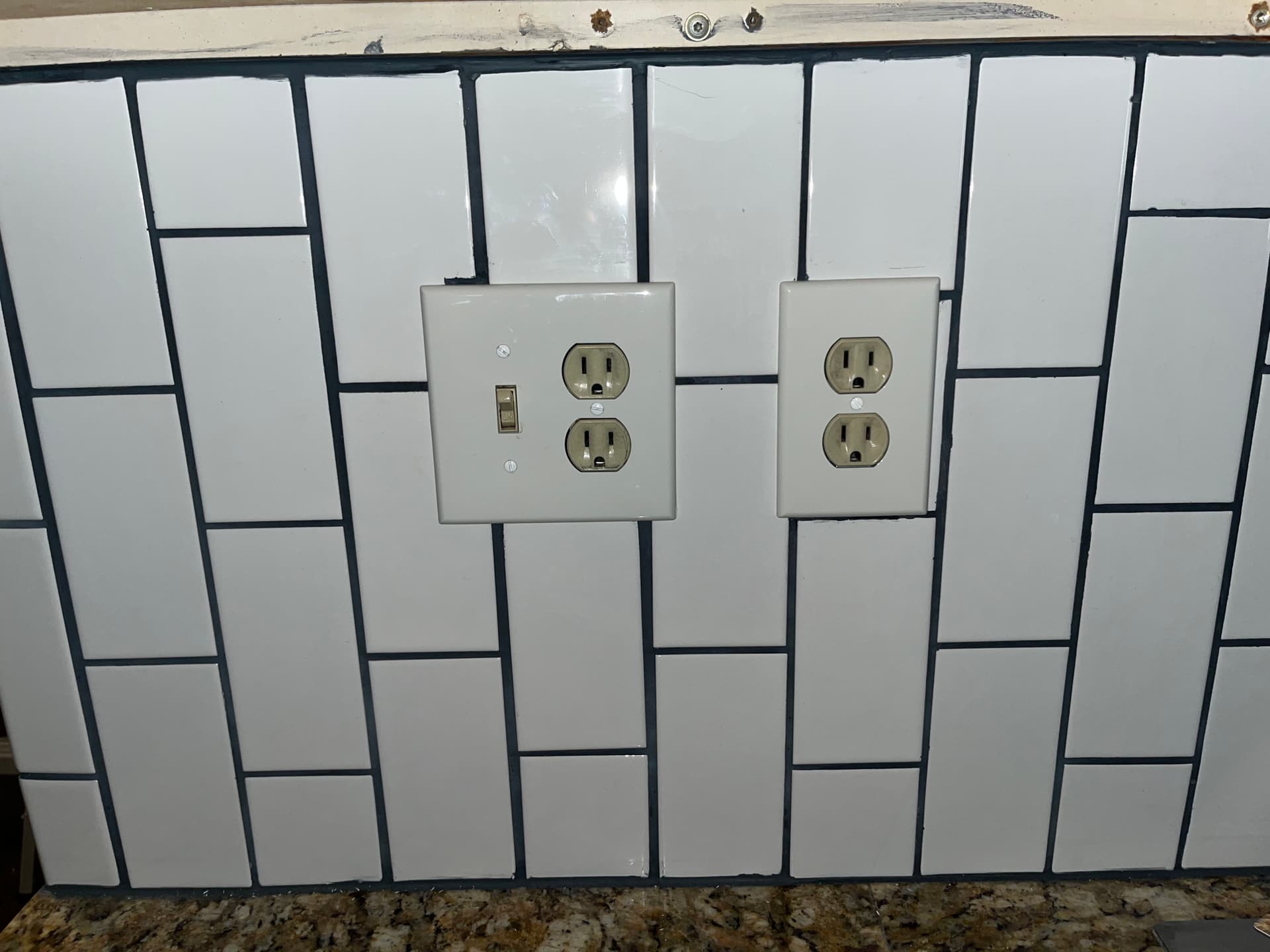
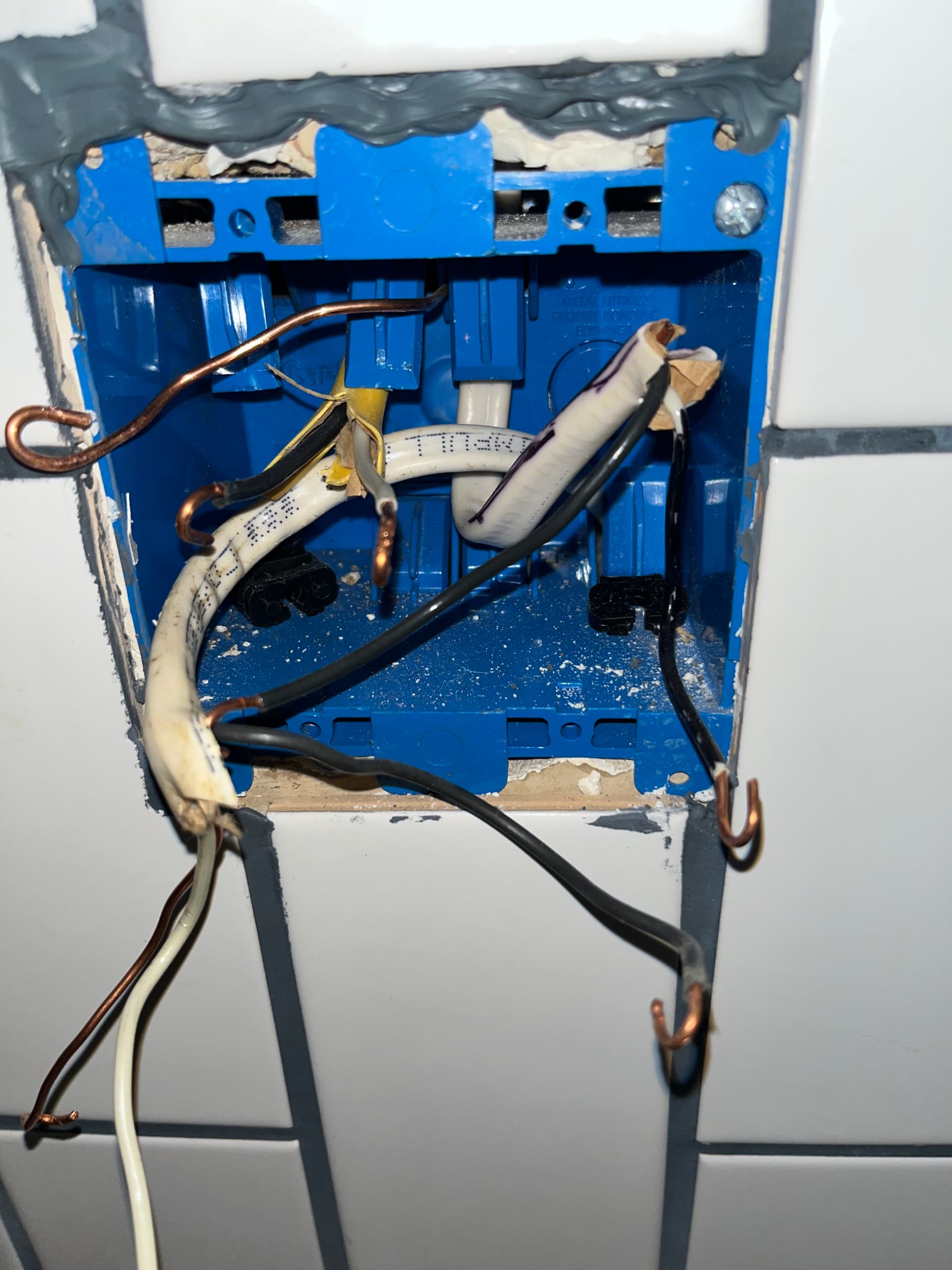
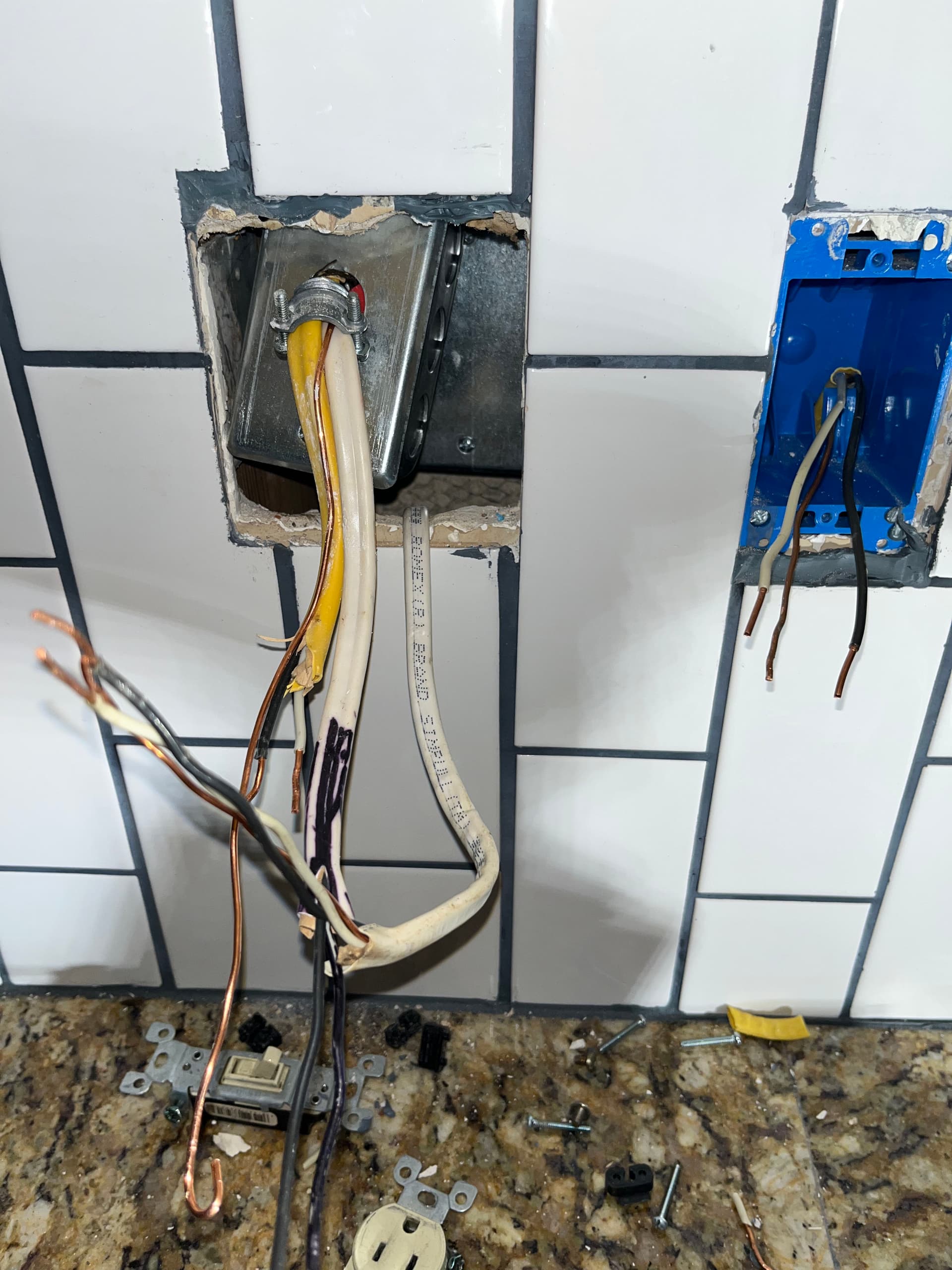
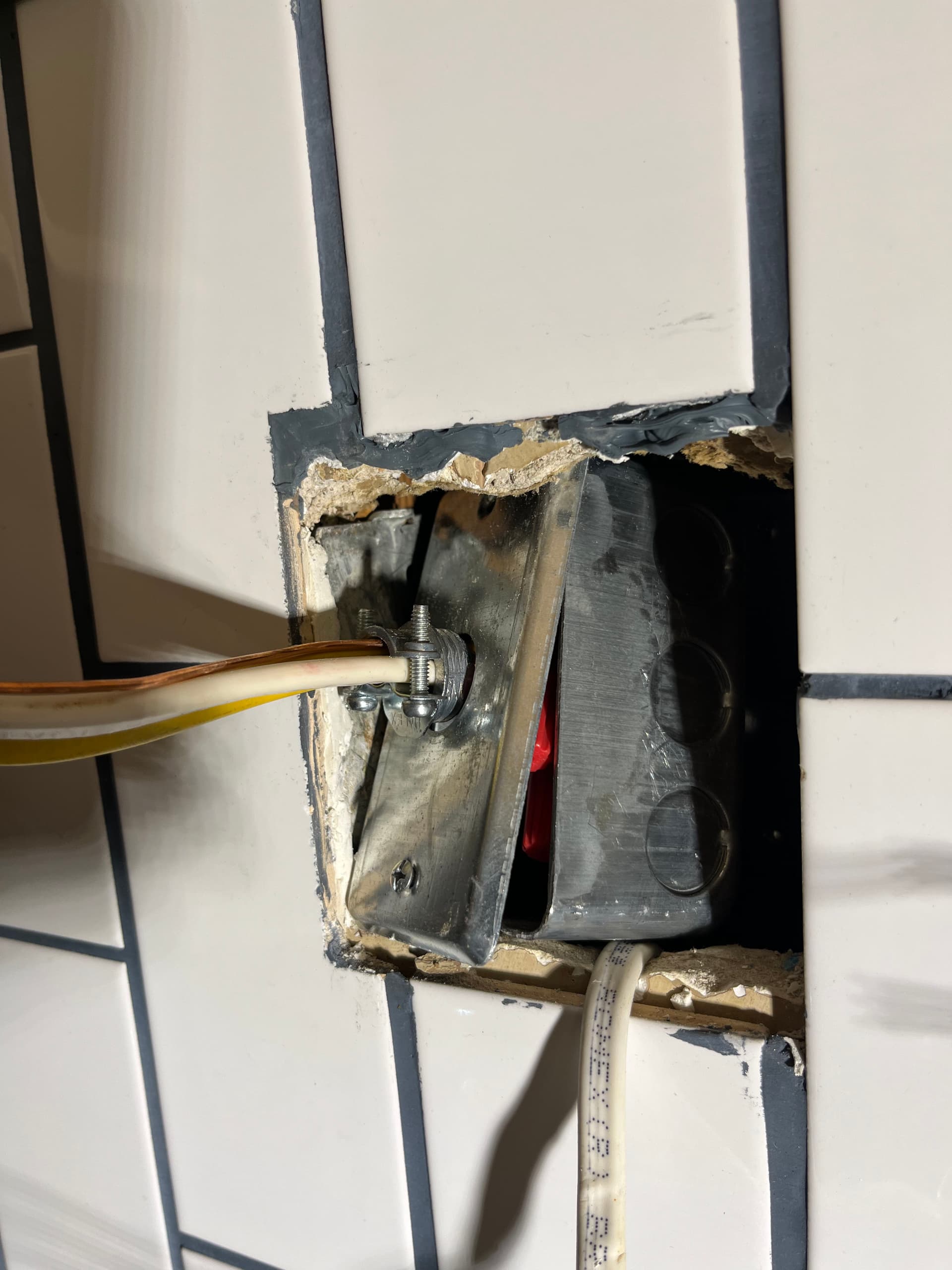
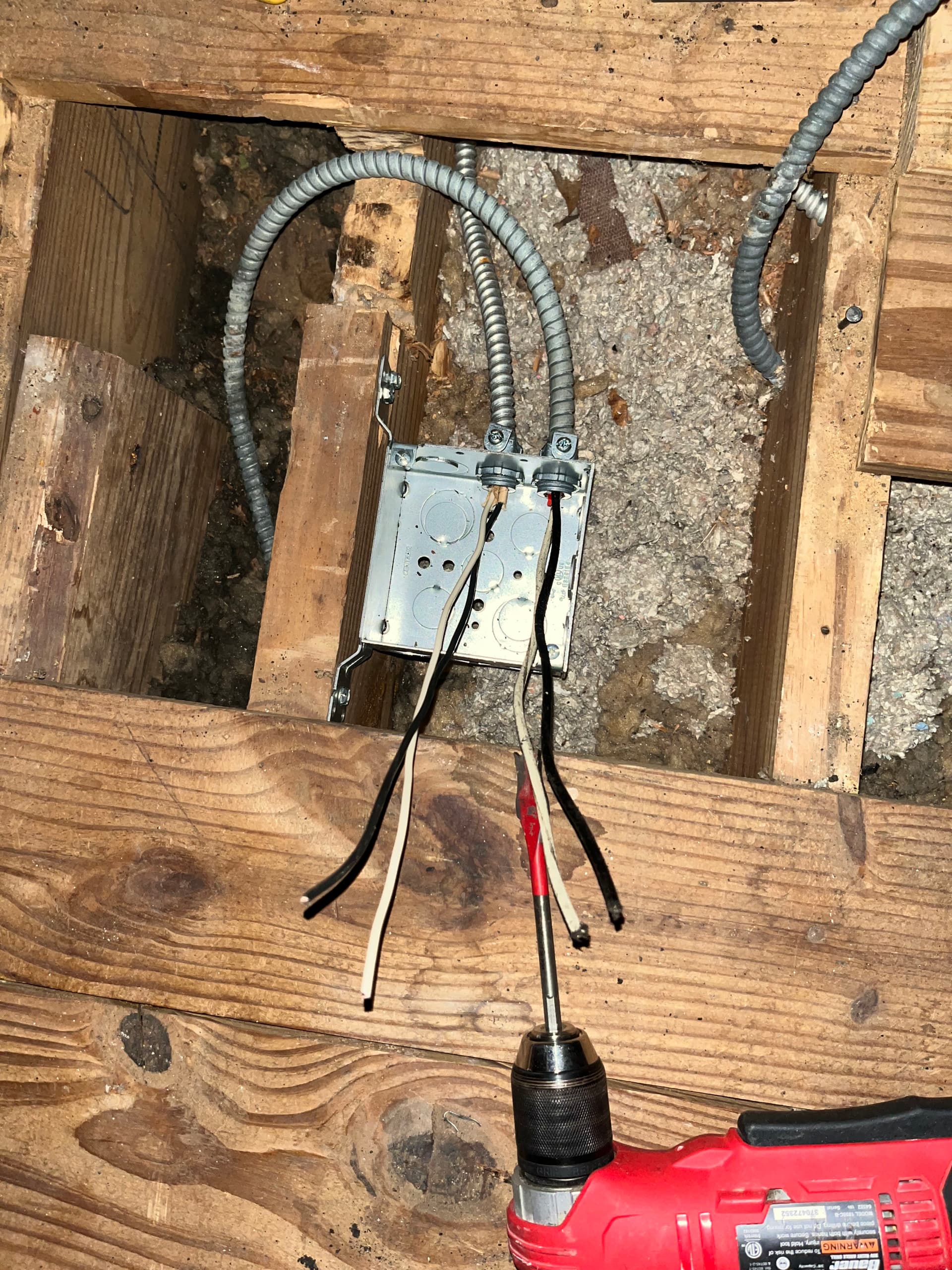
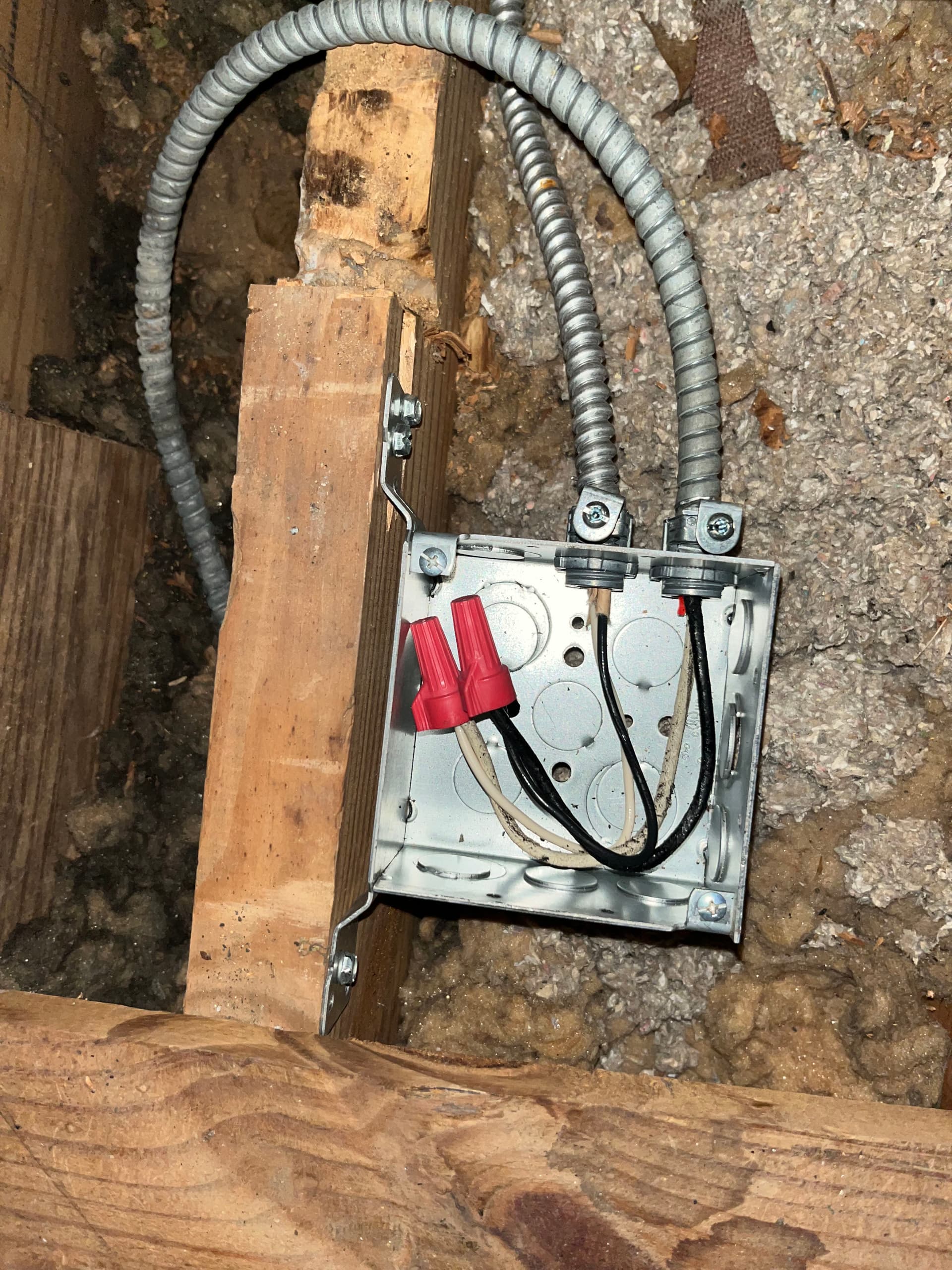
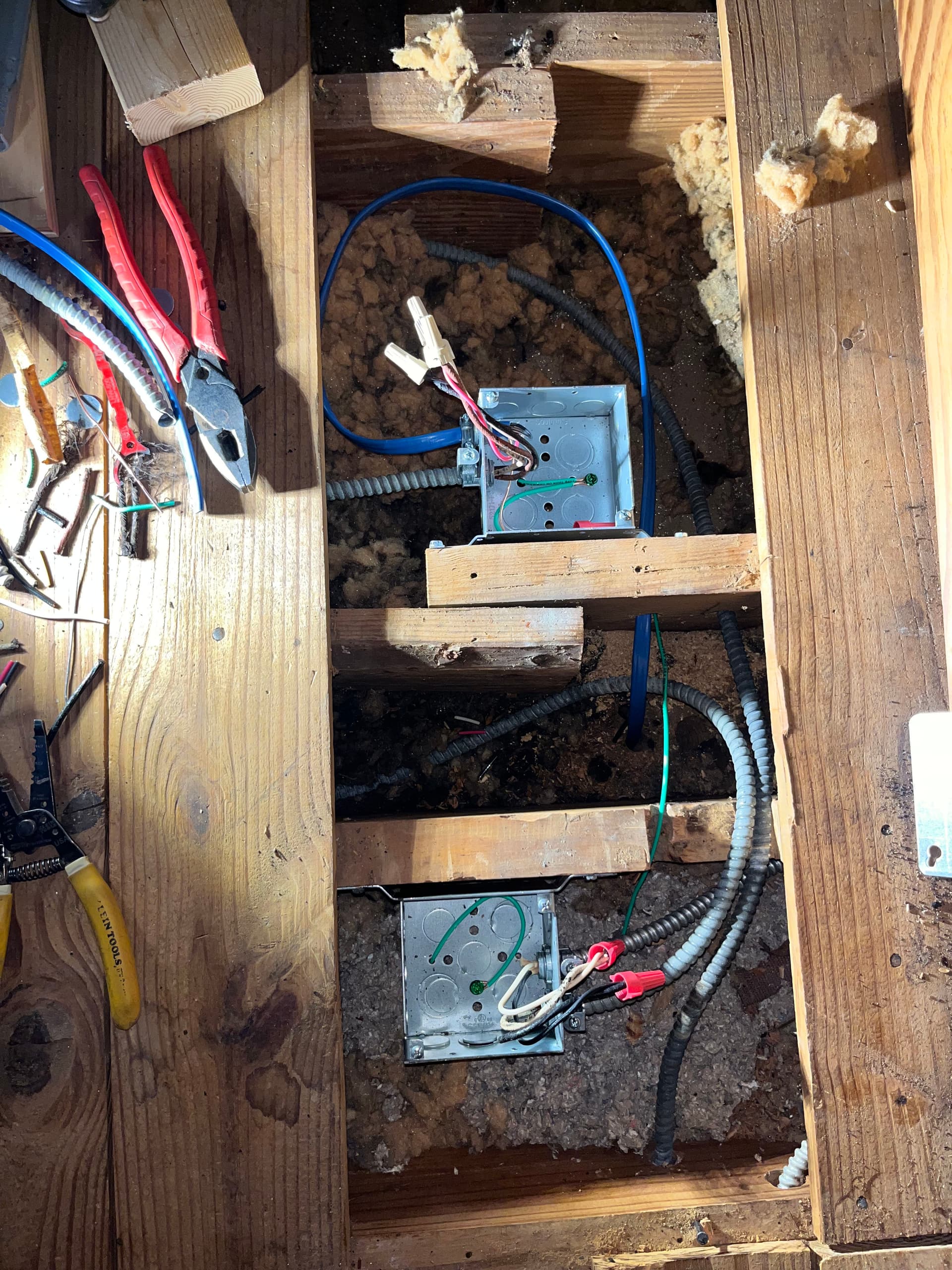
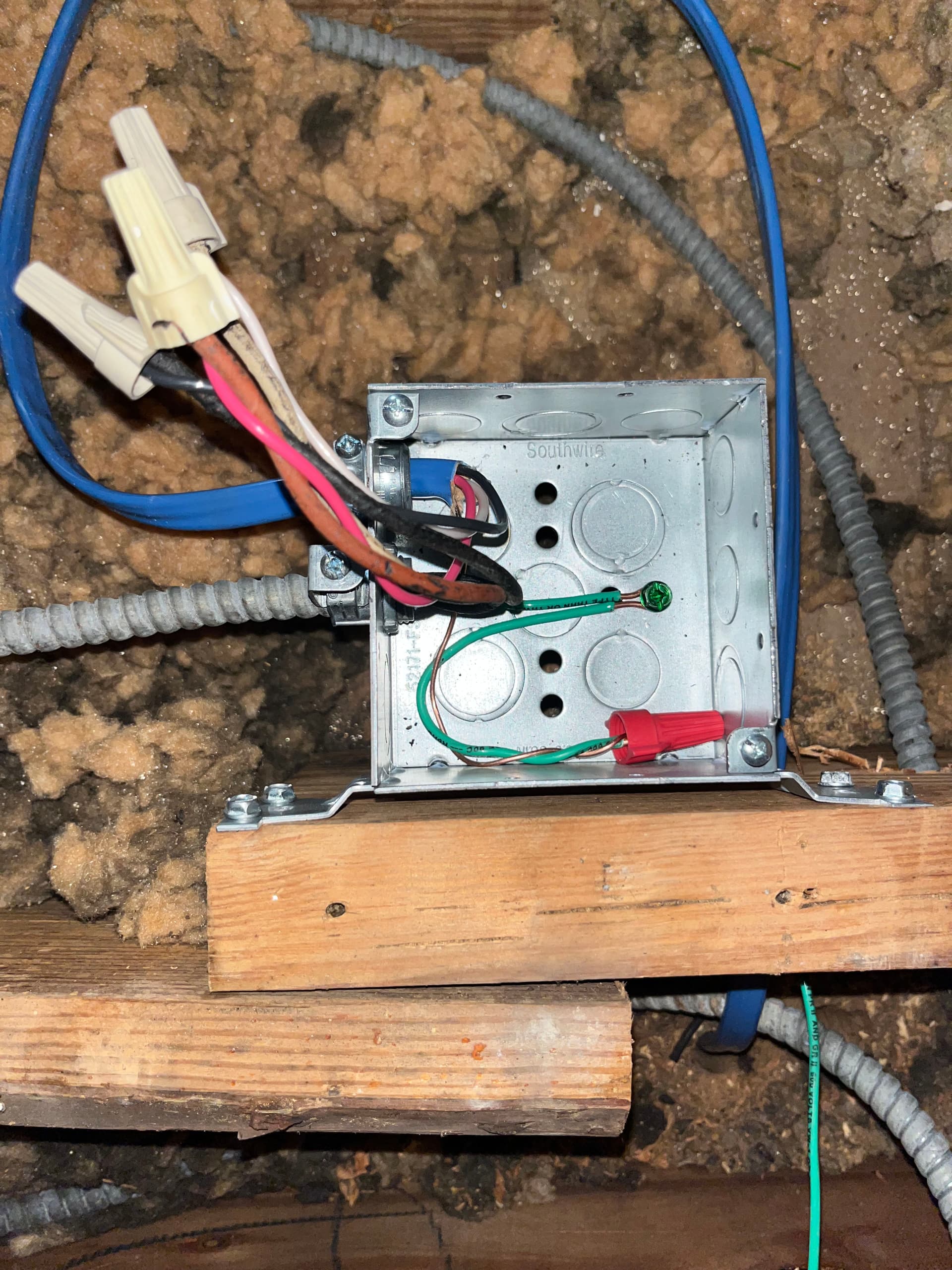
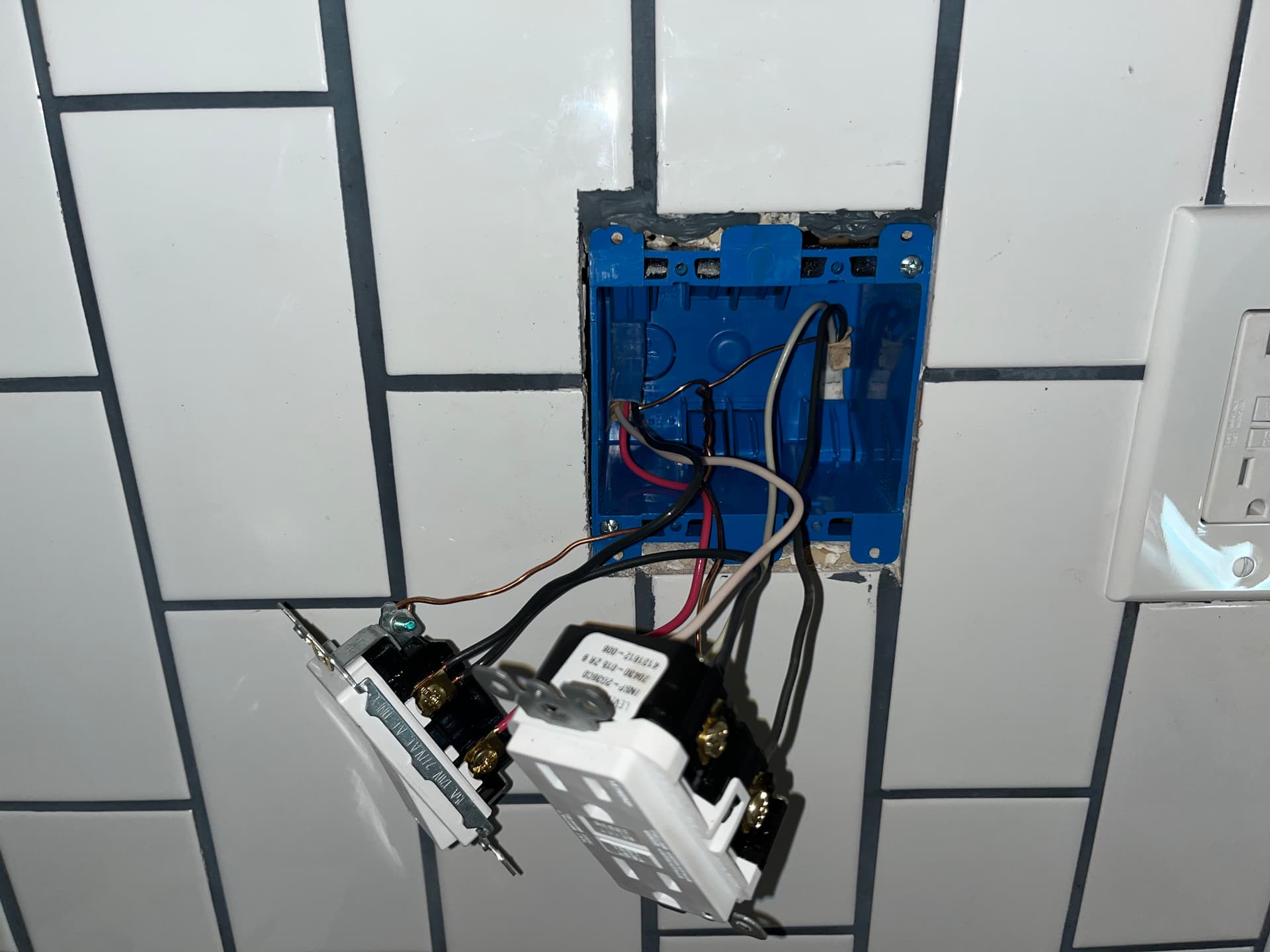
What started as a straightforward switch and outlet swap turned into a full electrical troubleshooting job pretty fast. Once we pulled the covers off, we found junction boxes buried inside the wall - completely hidden and inaccessible. That's a code violation, and it's also a safety problem that most homeowners wouldn't even know to look for.
Hidden junction boxes are more common in older homes than you'd think. When wiring gets spliced inside a wall with no accessible cover, there's no way to inspect those connections down the road. If something goes wrong - a loose wire nut, heat buildup, a bad splice - you've got no way to get to it. That's exactly the kind of thing that turns a small problem into a big one.
We tracked down all the hidden connections, relocated them to accessible space, and cleaned up the terminations properly. The wiring runs you can see through the floor cavity - secured with flexible metal conduit and mounted junction boxes - show the difference between work done right and work done fast. Every connection is now reachable, labeled, and done to code.
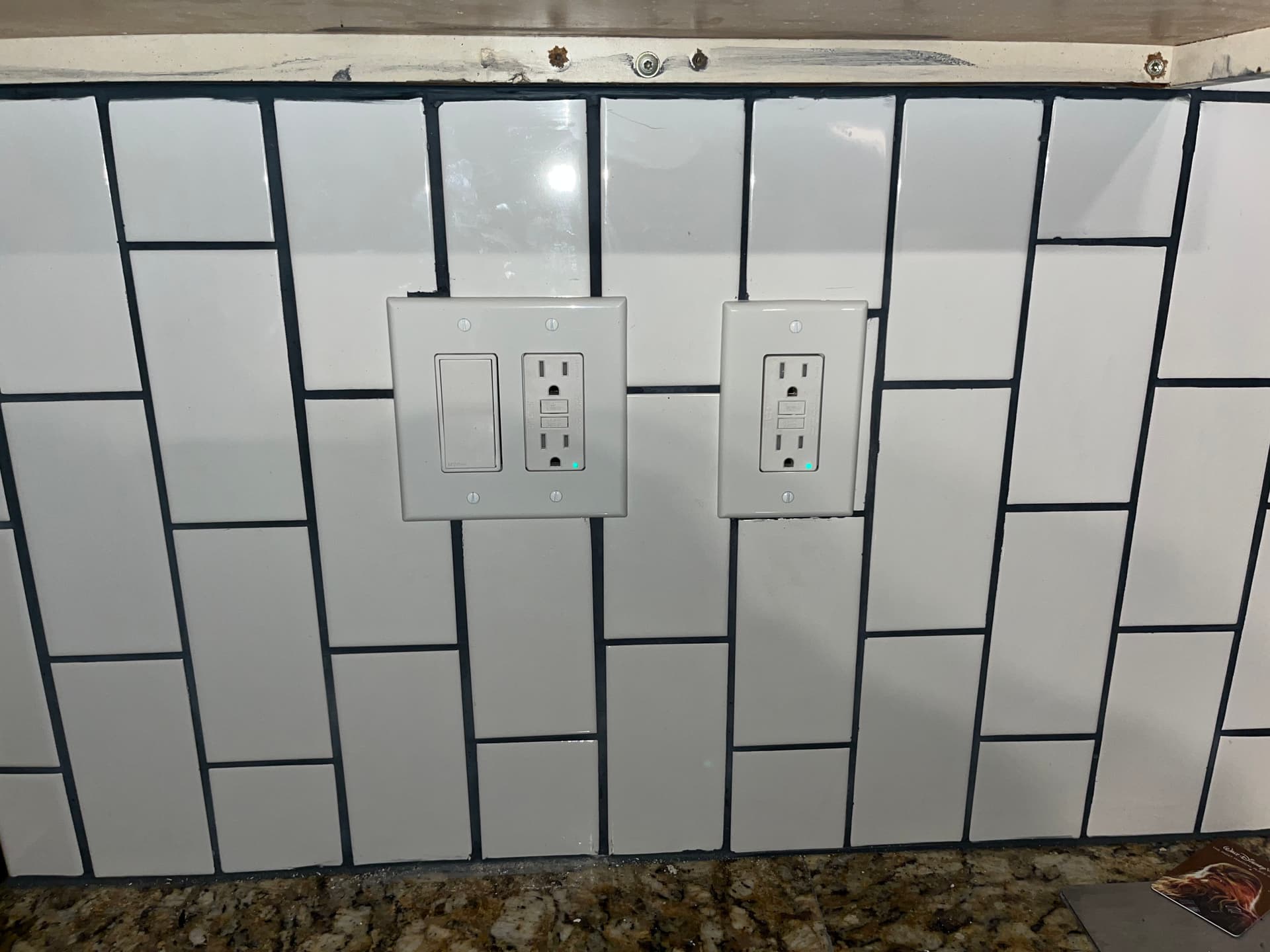
On top of sorting out the hidden boxes, we added GFCI protection at the kitchen sink locations. That's not optional near water sources - it's a basic safety requirement. The finished outlets have the test and reset buttons right on the face, so the protection is active and visible. Old tan outlets are gone. Clean, modern GFCI receptacles are in.
The wall looked totally normal from the outside before we started. That's the thing about electrical issues - you usually can't see them until something fails or someone actually opens it up. If something in your home feels off, trips unexpectedly, or just hasn't been looked at in years, it's worth having a professional take a look before it becomes an emergency.